

Written By
Meghna Elizabath Zachariah
Special Educator
Attention Deficit Hyperactivity Disorder (ADHD) is something we hear very often these days. You may hear teachers and parents use this term alike quite frequently. ADHD is a neurodevelopmental condition. It causes several challenges for children and adults. However, with appropriate support at the right time individuals with ADHD can thrive academically and in life.
In this blog, we’ll explore different tips for both teachers and parents to better support children with ADHD. These simple tips can make a difference in the lives of those with ADHD.
Understanding ADHD
Before diving into specific tips, it’s essential to have a basic understanding of ADHD.
Individuals with ADHD may experience difficulties with maintaining attention, controlling impulses or managing activity levels. These signs can vary considerably from one person to another. ADHD usually begins in childhood and may continue into adolescence and adulthood.
A child may require professional evaluation when symptoms of inattention, hyperactivity or impulsivity persist for at least six months, occur in more than one setting and significantly interfere with learning, relationships or everyday functioning. However, the presence of these signs alone does not confirm ADHD, as other developmental, emotional or medical conditions can produce similar symptoms.
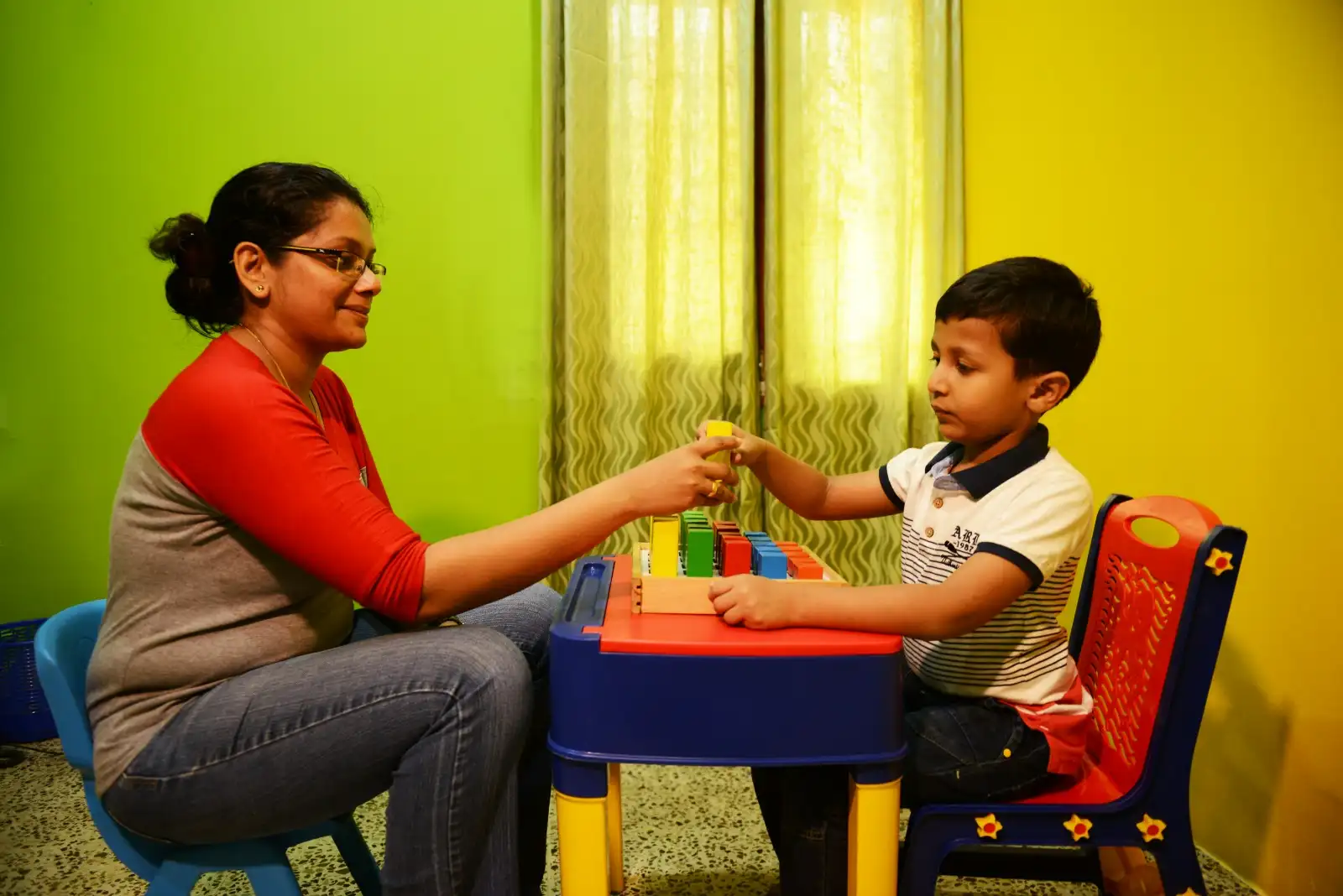
Special Education can support children with ADHD through individualized teaching strategies, structured classroom routines, visual instructions, shorter learning tasks, movement breaks and positive reinforcement. A special educator can work with parents, teachers and healthcare professionals to improve the child’s attention, academic participation, organizational skills and classroom confidence.
Tips for Teachers
- Structured Environment: ADHD affects self-control. In order to help children with ADHD a structured and predictable classroom routine can be established. This enables students to understand what is expected of them. Following routines and having a structured environment can help children become more self-directed in the long run. Students with ADHD thrive in environments where they know what to expect.
- Clear Instructions: Too much information at once can be very overwhelming for children with ADHD. Multistep instructions can be too difficult. Giving simple and clear instructions can be helpful for children with ADHD.
- Visual Aids: Using visual aids like charts, and illustrations of activities to be done can help children to understand what is expected of them. Having checklists of the things to be done can help children complete activities and not forget anything important.
- Positive Reinforcement: A reward system can be beneficial for children with ADHD. Rewarding good behavior can help children with ADHD learn positive behavior and to complete tasks.
- Variety in Teaching: A traditional lecture method can be difficult for students with ADHD to follow. Including role plays, hands-on activities, and movement-based activities can be helpful for students with ADHD. Allow for breaks in between as sitting still for long periods is a challenge for them.
- Frequent Check-Ins: Students with ADHD can be seated in the front close to the teacher. It would be helpful for children if teachers check in students to see if they have understood the material or if they need help with something.
Tips for Parents
- Establish Routines: Including a specific routine can be beneficial for children. It will make it easier for them to follow. This should be practiced consistently as well.
- Homework Help: Providing a separate space for homework is important. It should be organized and free from distractions. Divide homework into simple tasks and provide breaks in between. Reward positive behavior.
- Healthy Lifestyle: Balanced nutrition, regular exercise, and sufficient sleep are beneficial for students with ADHD. Encouraging children to participate in some physical activity can be helpful in channeling their energy. Parents should also note to control screen time and monitor the content watched.
- Open Communication: Having a positive relationship with teachers is important. Make sure the child’s strengths, weaknesses, and progress are discussed with teachers. This is necessary to help the child further.
- Professional Support: Seeking professional guidance can be helpful for children as well as parents. Support given at the right age can be helpful for children and can help children manage the condition. Parents can also receive guidance on how to manage and support children in order to help them reach their true potential.

Each child with ADHD is unique. It requires patience and understanding on the part of both parents and teachers. Providing children with the right treatment and support at the right time can be helpful. It can help them achieve their true potential in school and beyond
Reference: https://prayatna.co.in/speech-therapy-an-approach-for-adhd/
https://en.wikipedia.org/wiki/Attention_deficit_hyperactivity_disorder
