
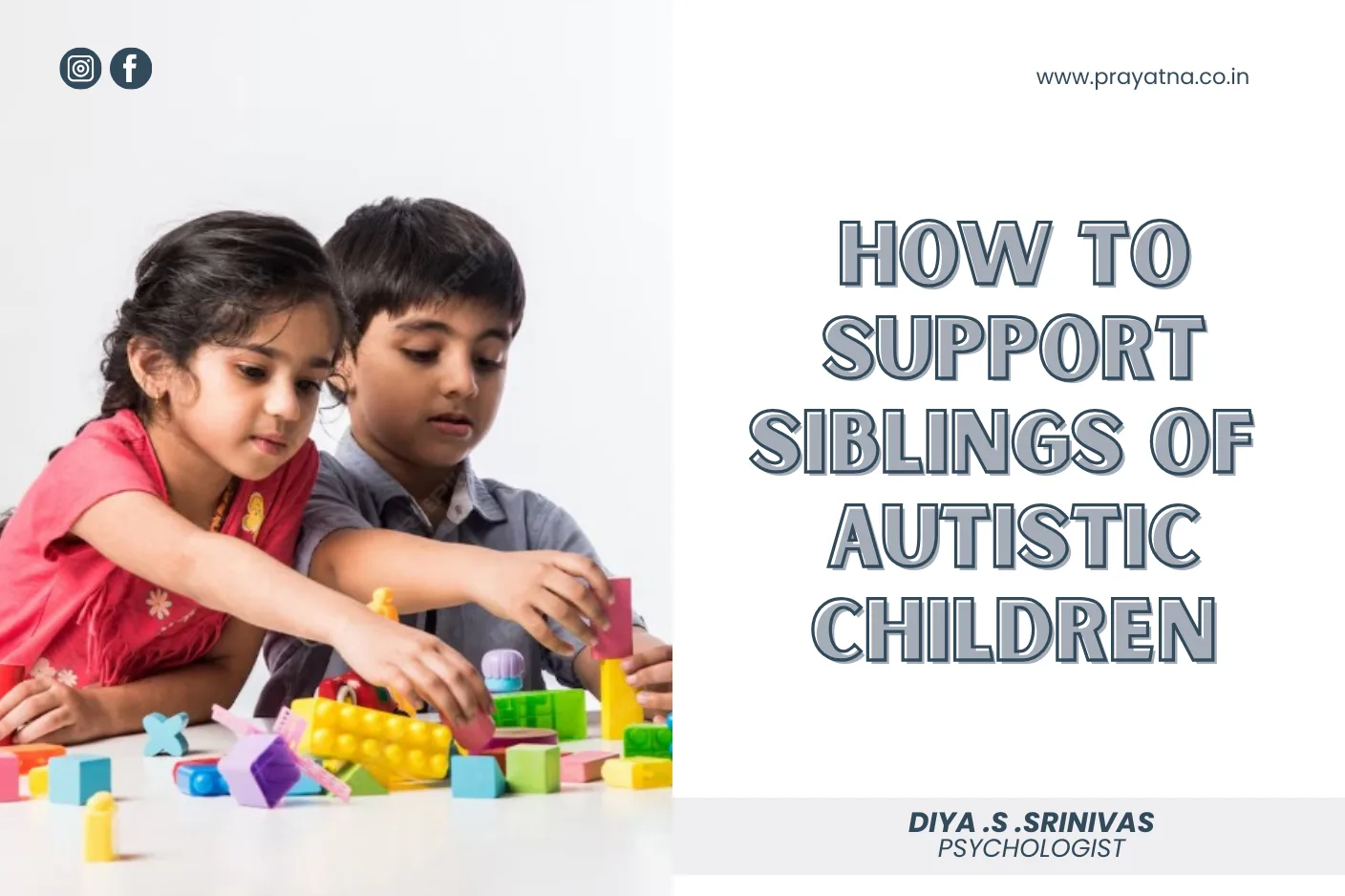
How to Support Siblings of Autistic Children Effectively
Families raising autistic children often experience unique emotional and parenting challenges. While parents naturally dedicate additional time and support to the autistic child, it is equally important to support the siblings of autistic children emotionally, socially, and mentally.
Siblings of autistic children may experience a combination of compassion, pride, frustration, confusion, stress, and responsibility. With proper autism sibling support, parents can create a healthy family environment where every child feels valued, understood, and emotionally secure.
This complete guide explains practical strategies to strengthen sibling relationships, improve communication, and create positive family dynamics.
Understanding the Experience of Siblings of Autistic Children
Being one of the siblings of autistic children can be both rewarding and emotionally challenging. Many siblings naturally develop empathy, patience, maturity, and compassion. However, they may also struggle with emotional stress, jealousy, frustration, or confusion.
Parents should understand that these feelings are completely natural and should be addressed with empathy and open communication.
Common Emotional Challenges Faced by Siblings
Some common emotions experienced by siblings of autistic children include:
- Feeling left out due to parental attention differences
- Difficulty understanding autism behaviors
- Stress from additional responsibilities
- Frustration during communication challenges
- Embarrassment in social situations
- Anxiety about the future
- Guilt for feeling angry or frustrated
Recognizing these emotions early is essential for healthy autism family support.
Positive Qualities Developed by Siblings
Many siblings of autistic children develop exceptional personal qualities such as:
- Emotional maturity
- Compassion and empathy
- Patience and tolerance
- Strong problem-solving skills
- Respect for neurodiversity
- Independence and responsibility
These strengths often help siblings build meaningful relationships throughout life.
Why Open Communication About Autism Matters
One of the most effective ways to strengthen sibling relationships is through honest and age-appropriate communication about autism.
When parents openly discuss autism, siblings gain better understanding, reduced anxiety, and improved emotional connection with their autistic brother or sister.
Start Conversations Early
Parents should begin discussing autism when children first notice behavioral or communication differences. These conversations should continue as children grow older and develop deeper understanding.
Explain Autism in Simple Language
Using simple explanations can help younger children understand autism better.
Example:
“Your brother’s brain works differently, so he may communicate or play differently.”
Older children can learn about sensory sensitivities, emotional regulation, and social communication challenges.
Encourage Questions Without Judgment
Allow siblings to freely ask questions and express their feelings. Active listening helps children feel emotionally safe and supported.
Focus on Strengths Along With Challenges
Helping siblings see the autistic child as a whole person is extremely important. Parents should highlight strengths such as:
- Creativity
- Strong memory
- Attention to detail
- Artistic abilities
- Unique talents and interests
This balanced perspective promotes respect and understanding.
Spending Individual Quality Time With Each Child
Parents managing autism-related therapies, appointments, and emotional needs may unintentionally spend less time with other children. Individual attention is extremely important for supporting siblings of autistic children.
Benefits of One-on-One Attention
Dedicated individual time helps siblings:
- Feel emotionally valued
- Improve confidence and self-esteem
- Reduce jealousy
- Strengthen parent-child relationships
- Improve emotional security
Simple Ways to Spend Quality Time
Meaningful moments do not need to be expensive or complicated.
Ideas include:
- Reading bedtime stories
- Going for walks
- Watching movies together
- Playing games
- Baking together
- Talking about hobbies or school
Even short daily interactions can create strong emotional bonds.
Encouraging Healthy Sibling Relationships
Creating opportunities for siblings to interact positively strengthens family relationships and emotional development.
Find Shared Interests
Parents can encourage activities that all children enjoy together, such as:
- Building blocks or LEGO
- Drawing and painting
- Sensory play
- Outdoor games
- Music and dancing
- Simple board games
Adapt Activities When Needed
Activities should be adjusted based on each child’s abilities and communication style. The goal is positive interaction and enjoyment rather than perfection.
Celebrate Positive Interactions
Praise and encouragement help strengthen sibling bonds.
Examples include:
“You did such a great job helping your sister today.”
Positive reinforcement encourages empathy, patience, and teamwork.
Creating Fair Rules and Responsibilities at Home
Healthy family structure helps all children feel respected and included.
Maintain Consistent Family Rules
Basic family expectations such as kindness, honesty, and respect should apply to all children while still considering the autistic child’s individual needs.
Give Age-Appropriate Responsibilities
Assigning responsibilities helps children develop independence and teamwork.
Examples include:
- Organizing toys
- Feeding pets
- Helping with meals
- Tidying personal spaces
Handle Difficult Behaviors Fairly
Parents should consistently address harmful or aggressive behaviors while understanding the reasons behind them. Fairness helps siblings feel emotionally safe.
Supporting the Emotional Wellbeing of Siblings
The emotional health of siblings of autistic children should never be overlooked.
Parents should regularly check in emotionally and encourage open expression of feelings.
Normalize Their Feelings
Children should know it is okay to feel:
- Frustrated
- Angry
- Sad
- Overwhelmed
- Confused
Validation helps children feel understood and emotionally supported.
Encourage Healthy Emotional Outlets
Positive coping methods include:
- Journaling
- Drawing and painting
- Physical exercise
- Music and hobbies
- Mindfulness activities
- Open conversations with trusted adults
Seek Professional Support if Necessary
If siblings show ongoing emotional distress, anxiety, or withdrawal, family counseling or sibling support groups may help significantly.
Building a Positive Autism Family Environment
Strong family support creates emotional stability for every child.
Healthy autism family support includes:
- Open communication
- Emotional validation
- Shared family activities
- Respect for differences
- Positive reinforcement
- Teamwork and understanding
A supportive home environment helps siblings develop resilience, confidence, and healthy long-term relationships.
Final Thoughts on Supporting Siblings of Autistic Children
Supporting siblings of autistic children requires patience, understanding, empathy, and consistent communication. When parents actively nurture sibling relationships and create balanced family dynamics, children often develop stronger emotional intelligence, compassion, and resilience.
With the right autism sibling support strategies, families can build stronger relationships where every child feels valued, respected, and emotionally secure.
Frequently Asked Questions
How do siblings of autistic children feel?
Siblings of autistic children may experience emotions such as love, compassion, frustration, jealousy, stress, and protectiveness. These feelings are completely natural.
How can parents support siblings of autistic children?
Parents can support siblings through open communication, dedicated one-on-one time, emotional validation, and positive sibling bonding activities.
Why is autism sibling support important?
Autism sibling support helps improve emotional wellbeing, strengthen family relationships, reduce stress, and encourage healthy communication.
Can siblings of autistic children develop positive qualities?
Yes. Many siblings develop empathy, emotional maturity, patience, leadership skills, and strong compassion.
