

Written By
Diya's Srinivas
Psychologist
MSc Psychology
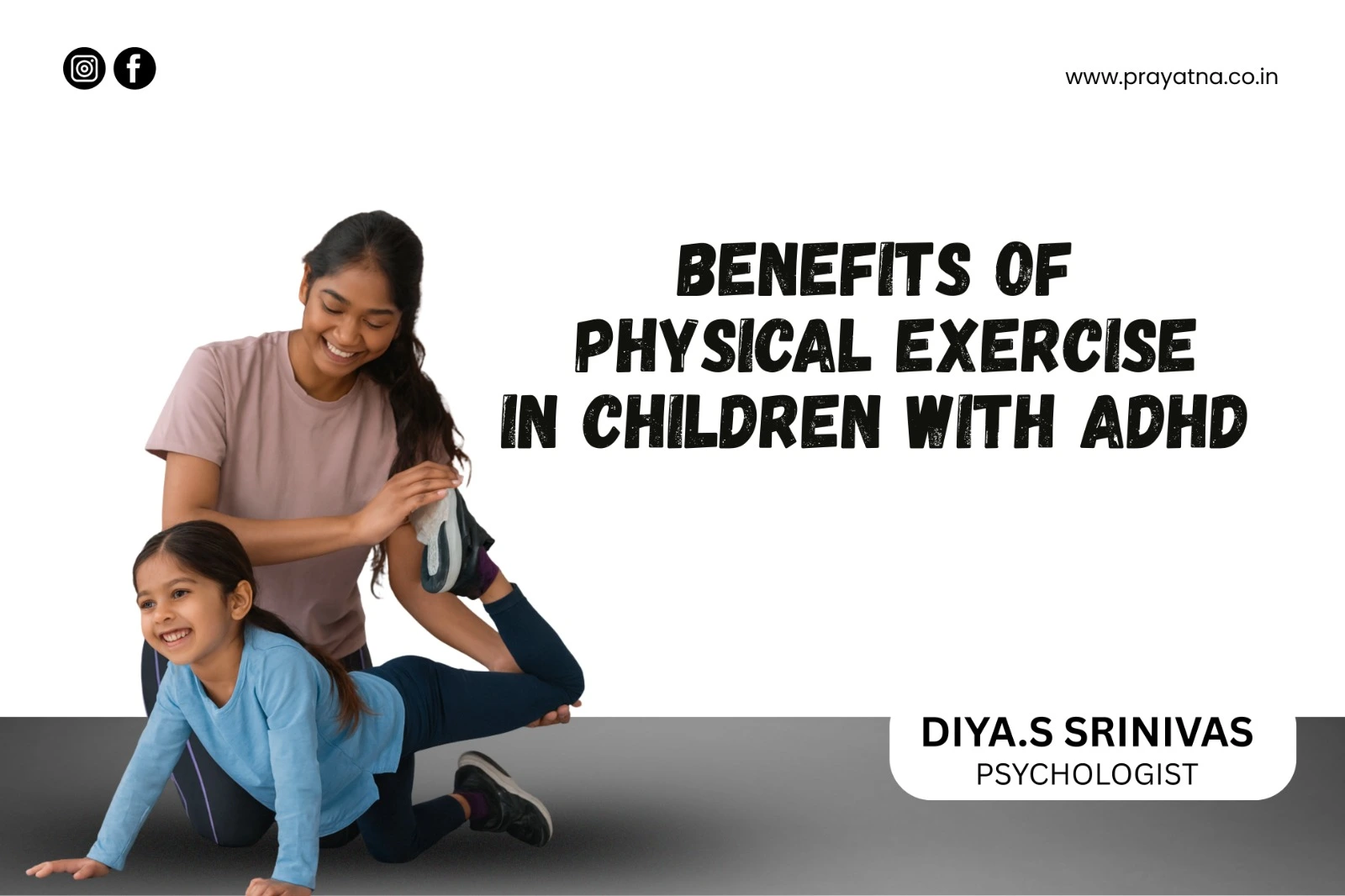
Benefits of Physical Exercise in Children with ADHD
We are familiar with the many benefits of regular exercise, but physical activity may also help children with ADHD manage symptoms such as restlessness, impulsivity and difficulty maintaining attention. Activities such as football, swimming, cycling and outdoor play can support physical health, emotional regulation, confidence and social participation.
Alongside exercise, ABA Therapy can help children with ADHD develop attention, self-control, task-completion and appropriate social behaviours through structured activities and positive reinforcement. Combining regular physical activity with individualized therapeutic support can help children build healthier routines and participate more successfully in everyday life.
How Exercise Helps Children with ADHD
Improves Focus and Attention
Physical activity increases the brain’s dopamine, norepinephrine, and serotonin levels — the same neurotransmitters that are targeted by ADHD medications. These chemicals play a crucial role in attention and thinking, helping children feel more focused and less impulsive after a good workout.
Reduces Hyperactivity and Impulsivity
Children with ADHD often struggle with sitting still or managing impulses. Exercise gives them an outlet to release that excess energy in a structured and purposeful way. It’s not about “tiring them out” — it’s about regulating their energy.
Boosts Mood and Reduces Anxiety
Many children with ADHD also face co-occurring challenges like anxiety, low self-esteem, or frustration due to academic or social struggles. Physical activities, especially those they enjoy and succeed at, help boost mood, improve confidence, and reduce stress.
Enhances Social Skills and Discipline
Team sports or group exercises like football, dance classes, or martial arts promote cooperation, following instructions, turn-taking, and patience — all important skills for children with ADHD to learn and practice.
Improves Sleep
ADHD often affects sleep patterns. Regular physical activity, especially outdoors, helps improve sleep quality — which in turn improves attention, mood, and behaviour.
What Kind of Exercise Is Best?
The best form of exercise is the one your child enjoys. Here are some ADHD-friendly options:
- Martial Arts: Builds focus, self-control, and discipline.
- Swimming: Provides sensory regulation and full-body movement.
- Cycling: Offers movement, rhythm, and outdoor stimulation.
- Dance or Zumba: Fun, rhythmic, and expressive.
- Yoga: Enhances mindfulness, balance, and body awareness.
- Running or Walking in Nature: Helps with grounding and mental clarity.
Making It a Routine, Not a Task
For families, especially those managing busy schedules, adding one more thing can feel overwhelming. But remember, it doesn’t have to be structured or expensive. Even 30 minutes of cycling, jumping on a trampoline, or playing catch at home can make a meaningful difference.
Try to keep it:
- Consistent (daily or at least 4–5 times a week)
- Enjoyable (based on your child’s interests)
- Flexible (don’t force one activity — experiment!)
Conclusion
Exercise is not a cure for ADHD, but it is a powerful ally. Along with behavioural therapy, structure, and understanding, physical activity can help children with ADHD thrive — not just manage. As caregivers, educators, and professionals, we must start viewing movement as medicine, especially for the developing brains and bodies of our children.
